

About EcoVisions
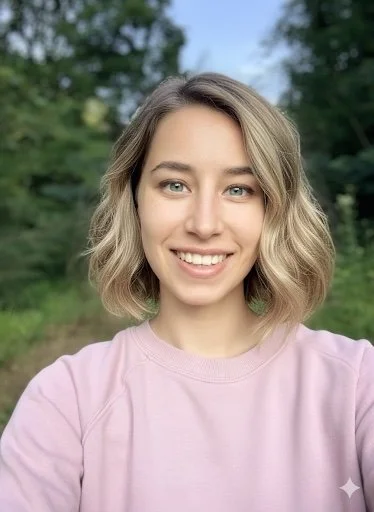
My name is Rubina, and I am the founder of EcoVisions.
EcoVisions exists because the spaces we inhabit shape how we live, move, and connect. I help people create new land and spaces that are functional, beautiful, and deeply aligned with how they want to live.
My role is to listen to the people, the land, and the purpose behind each project, then translate that into a clear, regenerative design path.
My Story
I’ve been a serial DIYer my entire life. I am someone who learns by building, testing, and figuring things out directly in the real world. In college I designed my major, The Art and Science of Sustainable Living, and I followed my curiosities in the studies of art, design, Permaculture, sustainable materials, building science, natural sciences, sustainable agriculture, and herbal medicine. Before graduating, I built my first home: an off-grid tiny house on wheels. From there, I continued to carve my own path.
I spent a a few years working on farms, homesteads, construction projects, bus conversions, and I did design work across the United States and abroad. Eventually, upon returning to Appalachia, I began building my own homestead from the ground up. While living in an RV, I built a round house in the forest and created a small homestead ecosystem around it with gardens, chickens, mushroom logs, bees, food preservation, and daily systems of self-sufficiency. Over the years I’ve worked across nearly every layer of homesteading and DIY life: from sourdough and canning, to composting and vermiculture, to all aspects of building including plumbing, electrical, HVAC, and off-grid solar setups. Through this experience I have developed a deep familiarity with what it actually takes to turn land into a functioning homestead with efficient living systems, not just in theory, but in practice.
Then in 2024 everything changed when Hurricane Helene hit Appalachia. The river beside my property, normally a beautiful sparkling edge of the land, rose to ten times its size and tore through the mountains. The home I built higher up in the forest remained safe but the flood destroyed many parts of my homestead, including structures I had built and the bridge to access my land. It washed away all of my building materials, both of my gardens, flooded my guest house, and carved out much of the developed land.
What followed was a shift from building and maintaining my personal little forest oasis to surviving and rebuilding in a disaster zone with the community around me. With no power or running water, I re-established basic systems from what remained, and the existing systems that had held became critical sources of stability. I regained water access by digging out and retapping a mountain spring, I managed food supplies without refrigeration, and salvaged materials from the debris to construct a mount on my roof for a satellite antenna. My mushroom logs flushed into fruiting with an abundance of shiitakes and I rationed my stash of farm fresh eggs. I adapted to daily life around the availability or lack of certain resources.
As aid arrived and conditions slowly stabilized in phases, I learned many new layers of resilience, surrender, and trust. I learned how to ask for help, how to coordinate resources, how to move through damaged infrastructure, and how to rebuild in stages. I connected deeply with my community, collaborated with neighbors to fundraise for the rebuild, and learned to operate heavy machinery to reconstruct the land. After 18 months of hard work, I completed the reconstruction of my property. The peace of living out in the forest that I once felt and had almost forgotten, swiftly returned. The flowers grew back in, the wildlife returned, the river sparkled again, and the land burst back into life.
Although the return of the wildlife makes it seem as if nothing ever happened here, the experience has forever reshaped my relationship with land entirely. It taught me how wild and destructive nature can be, how fragile our human systems are in the face of the natural world, and how much listening, planning, and adapting truly matters. It clarified how often people underestimate the complexity of building on raw or rural land, how important community and collaboration is, how resilient we are together, and how doing it all yourself isn’t always the way.
Today, I work with people who are where I once was, standing at the beginning, wanting to build a home or homestead that is deeply connected to nature, connected to their food, living more intentionally, but not knowing where to start. I often meet people with a vision that is deeply meaningful, but without the tools or resources to translate that vision into a workable plan. That gap is where I can help.
As someone who has lived through both the creative highs and the overwhelm of building from scratch, not once, but twice, I bring a grounded and experienced perspective to land planning without sacrificing the creativity, fun, and joy that living in nature brings. I understand what is possible, what is difficult, and what is often overlooked. Most importantly, I understand that you do not have to do it all yourself, and that instead, we can do it together.
My Work
I support individuals, families, and organizations in creating:
• Rural homes and Homesteads
• Retreat centers and healing spaces
• Regenerative land projects and nature-connected environments
• Full scale Eco Villages
As a vision holder and creative director, I guide projects from concept through completion, ensuring the final result is intentional, functional, and alive.
My Approach
I treat land and space as living systems. Every project considers:
• Flow and movement
• Daily human experience and rhythms
• Relationships between people, land, and climate
• Long-term sustainability and adaptability
• Beauty that is grounded and functional
This approach blends practical planning with thoughtful visioning, so every project is cohesive, efficient, and enduring.
Why EcoVisions Exists
Too many land projects lose their soul along the way. Budgets, fragmented decisions, and technical constraints can dilute vision. I work to bridge vision and execution, keeping ecological values, human well-being, and aesthetic integrity at the center.
This work goes beyond building. It’s about creating spaces that support healthier lives, deeper connection, and a lasting relationship with the land.
Who This Is For
EcoVisions is for people who:
• Care deeply about the land they steward
• Want spaces that support body, mind, and community
• Value beauty, function, and sustainability equally
• Are ready to move from vision into thoughtful action
If you want a space that feels grounded, intentional, and alive, you’re in the right place!